Blogs
Veneer Manufacturer in Delhi: Premium Wood Veneer Guide
Veneer Manufacturer in Delhi: How to Choose the Right Veneer for Your Interior Project
How do you choose a veneer manufacturer in Delhi?
When choosing a veneer manufacturer or supplier in Delhi, compare veneer quality, wood species, grain consistency, thickness, finish options, application suitability, availability, sample support and project requirements. A reliable supplier should also be able to help architects, interior designers, contractors and homeowners select the right veneer for furniture, wall panels, cabinetry and other interior applications.
1. Why Veneer Is Becoming a Preferred Interior Surface
Wood has a quality that is difficult to replicate.
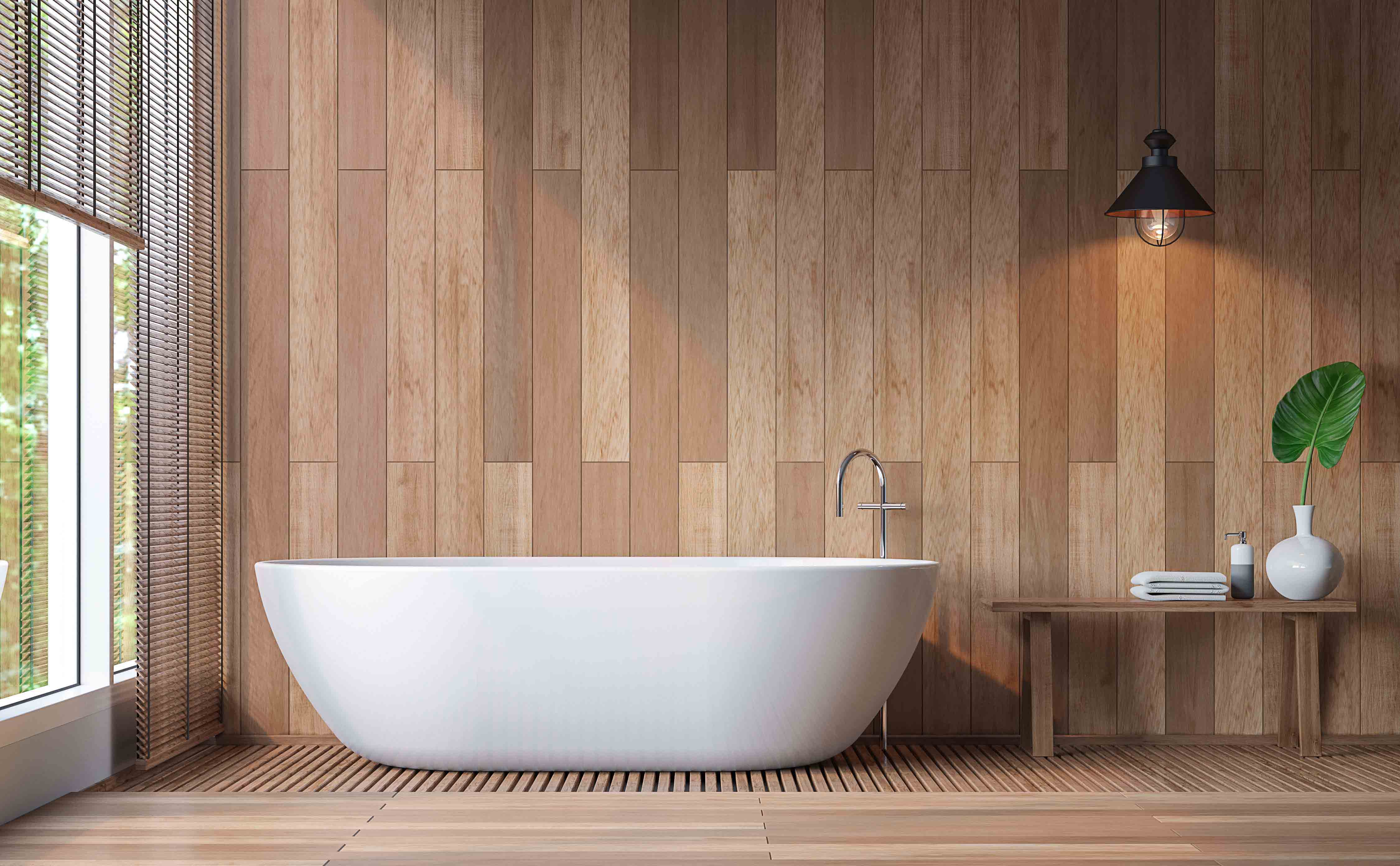
Its grain, texture and natural variations can make an interior feel warmer and more refined. Veneer allows designers to bring that character into furniture, cabinetry and wall applications without using solid wood throughout the project.
Natural wood veneer is made from thin slices of real wood that are applied over a suitable substrate such as plywood or MDF. OneWood describes its natural veneer as combining authentic wood character with engineered consistency and lists applications including walls, furniture and panels.
For architects and interior designers, this creates considerable design flexibility.
Veneer can be used to create:
-
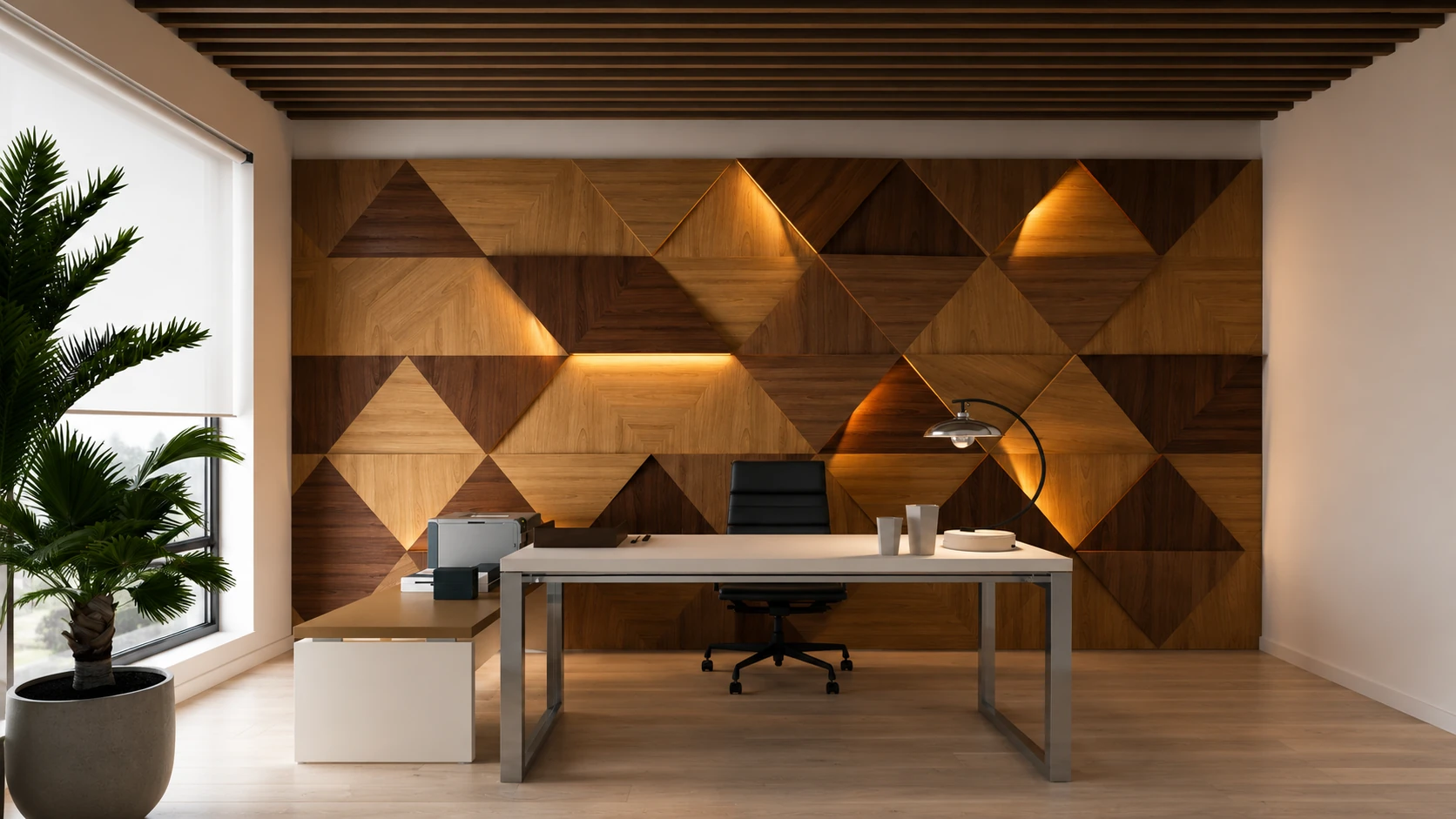
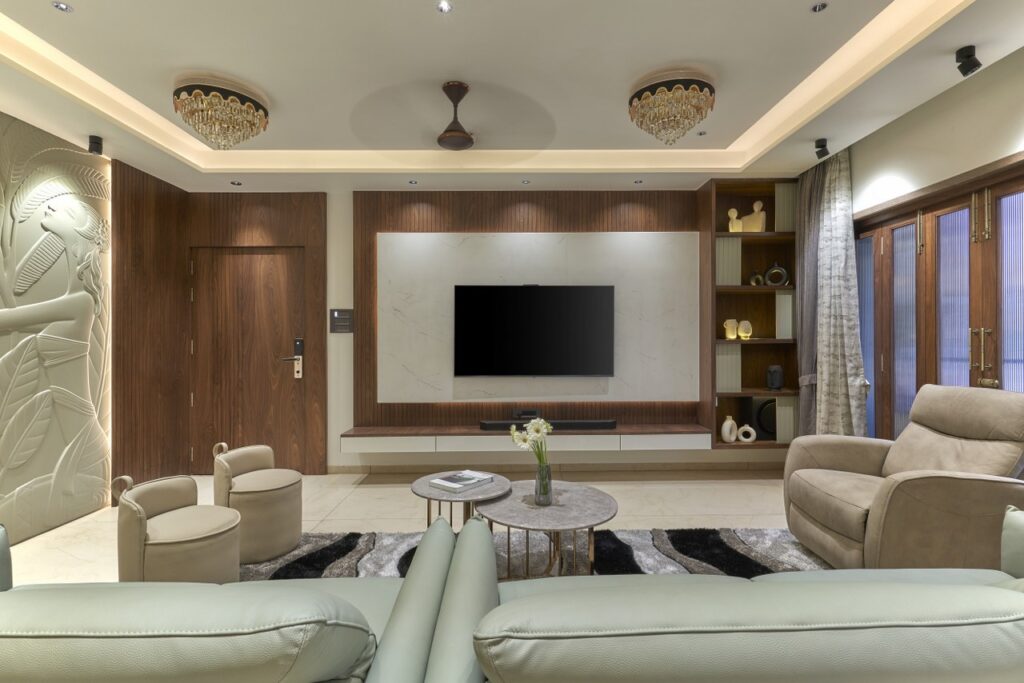
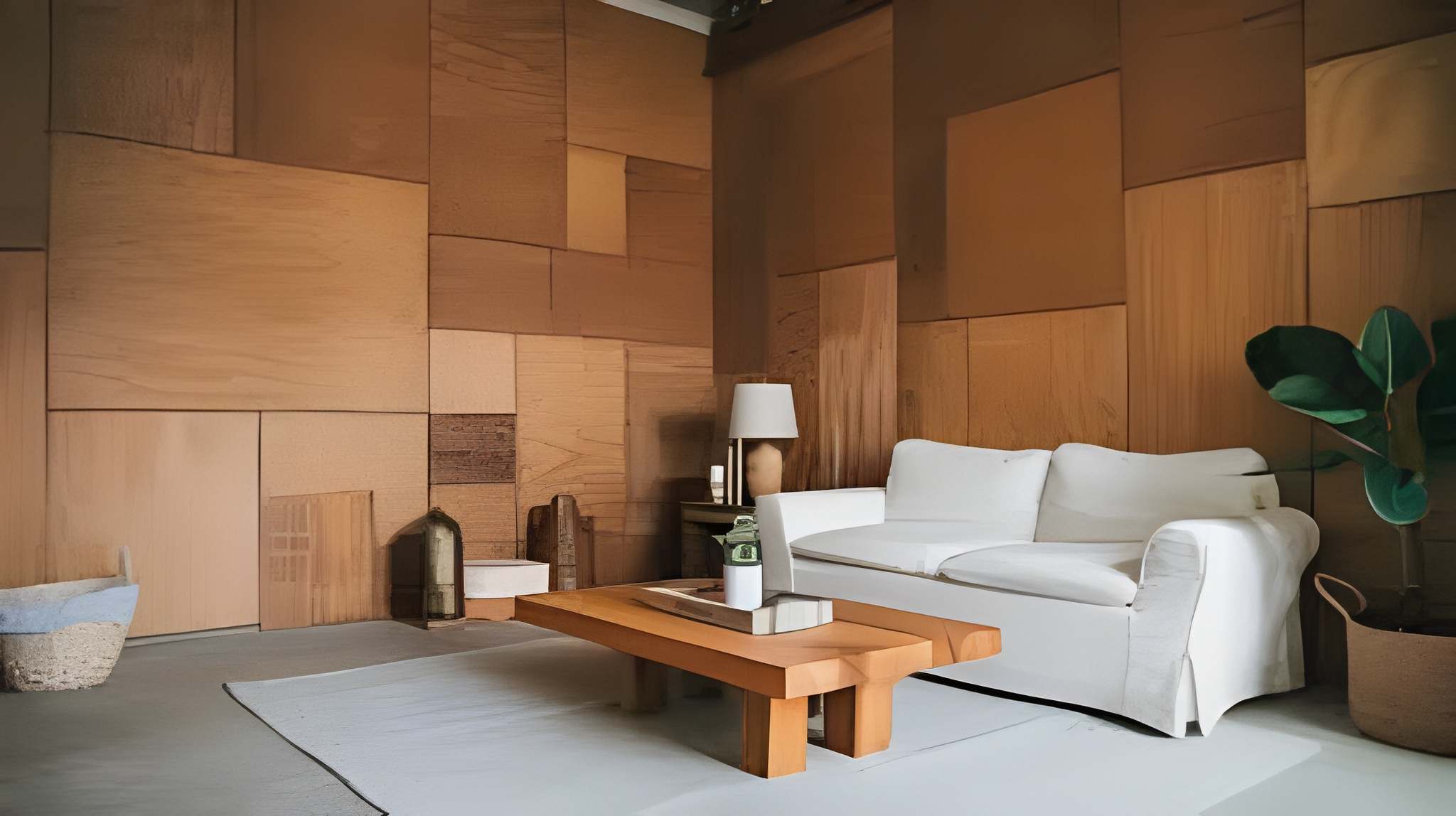
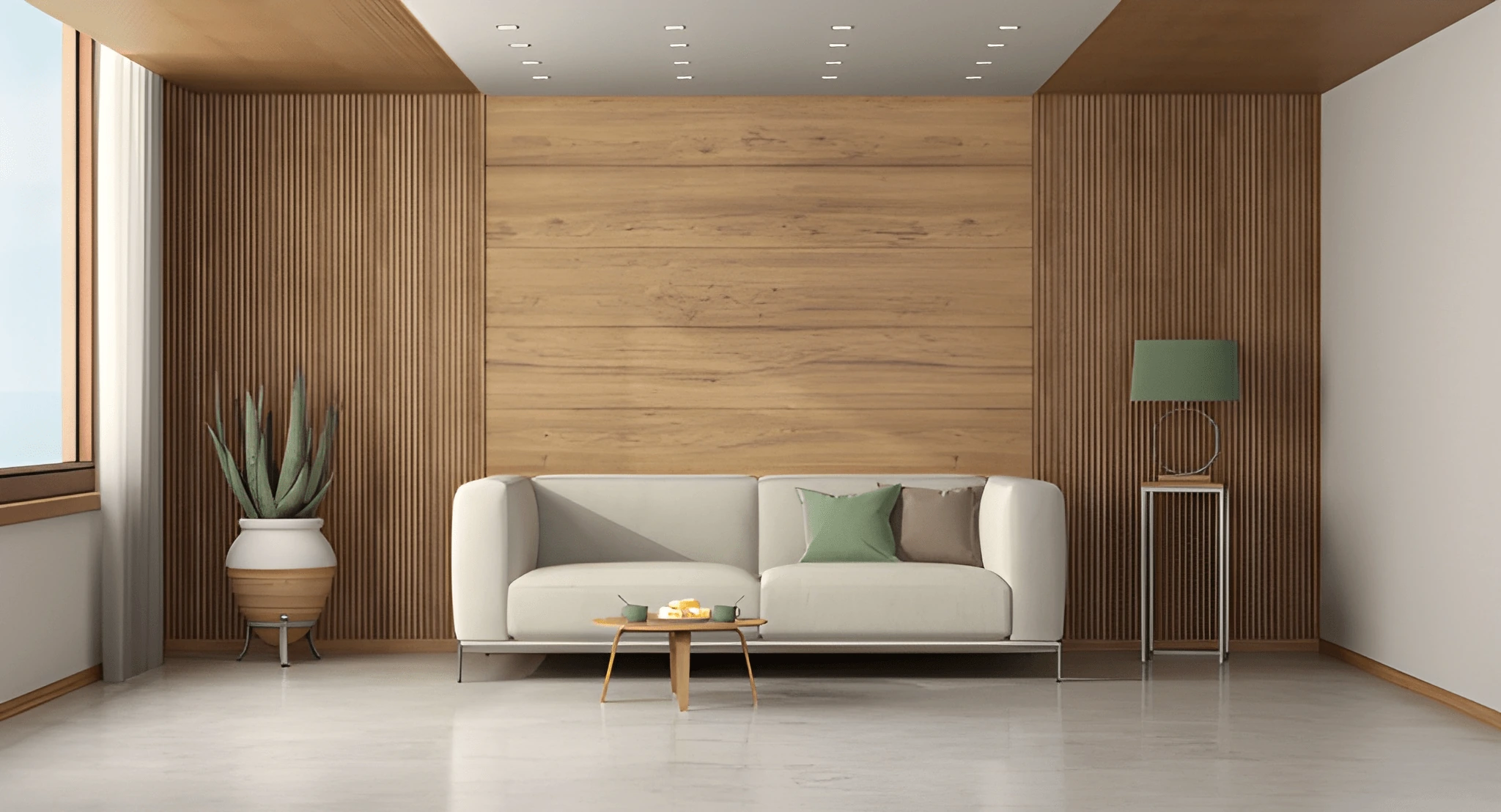
Feature walls
-
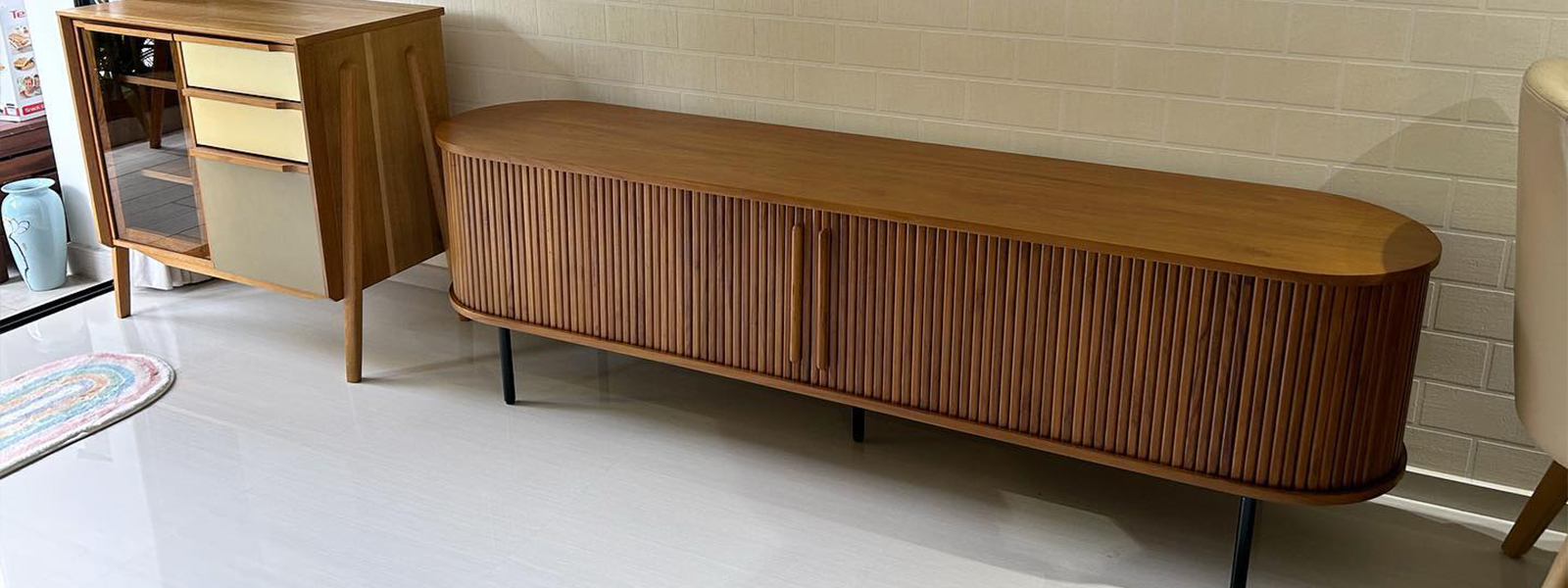
TV units
-
Wardrobes
-
Cabinets
-
Doors
-
Furniture
-
Reception desks
-
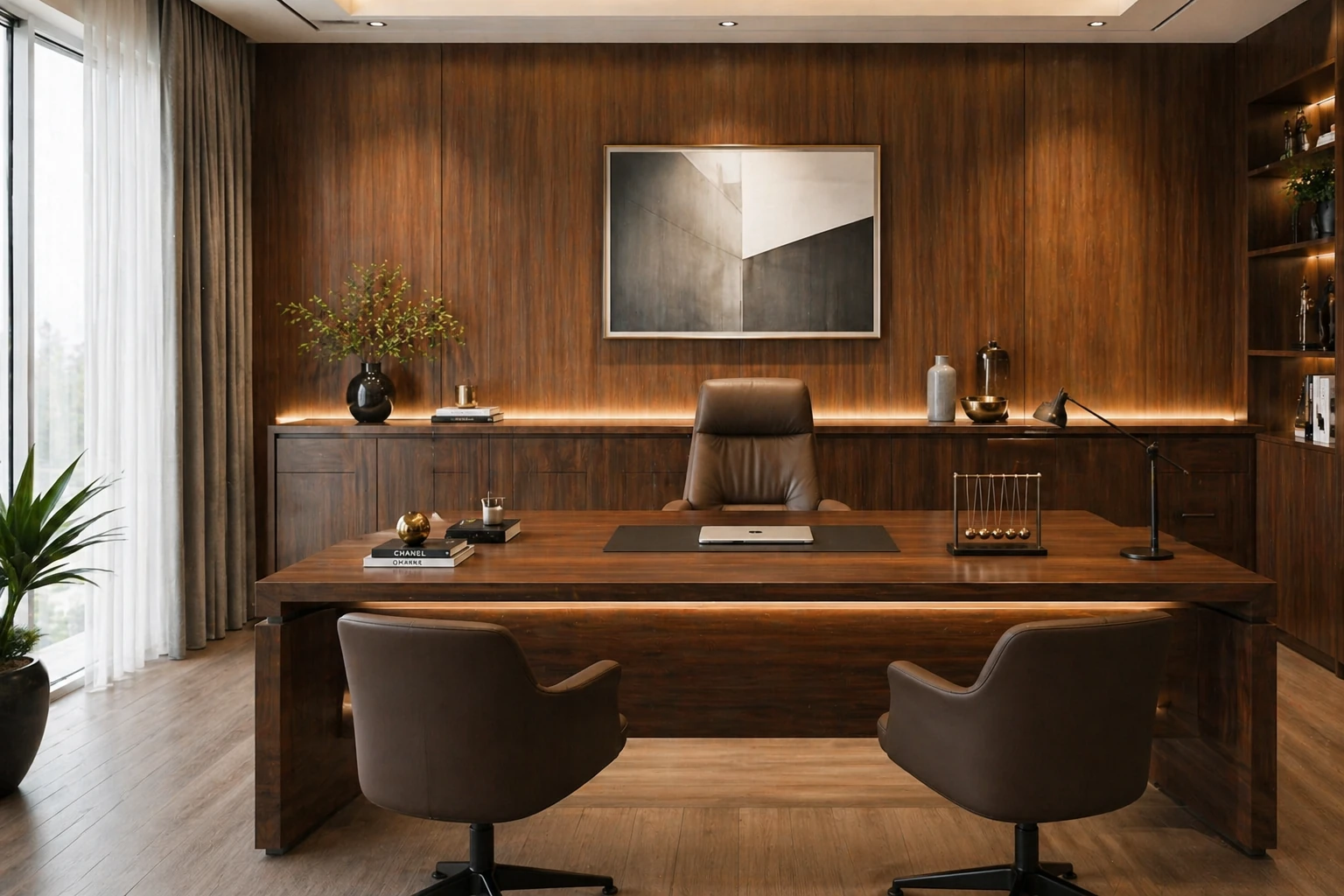
Office interiors
-
Hospitality interiors
-
Decorative wall panels
The result can range from subtle and contemporary to rich and dramatic depending on the species, grain direction, finish and installation method.
2. What Should You Look for in a Veneer Manufacturer?
Searching for a veneer manufacturer in Delhi can produce many options, but not every supplier will offer the same collection or project support.
Before placing an order, consider these factors.
Wood Quality
The quality of the raw wood has a direct impact on the final appearance. Look for consistent grain, appropriate moisture control and properly processed veneer sheets.
Range of Species
Different wood species create very different visual results. Lighter woods can create a softer contemporary interior, while darker species can create a more dramatic luxury appearance.
OneWood's published collection includes options such as American Maple, Sycamore, Anegre, American White Ash and several patterned collections.
Thickness and Construction
Veneer thickness and construction should be suitable for the intended application. The substrate underneath the veneer is equally important.
Finish Options
The same wood can look considerably different depending on how it is finished. Depending on the project, you may want a raw, matte, satin, textured or more polished appearance.
Matching and Consistency
For large projects, consistency matters. If several panels are being installed together, the grain and colour should be planned carefully to achieve the intended visual flow.
Sample Availability
Never choose an important veneer only from a screen. Lighting, surrounding materials and room size can change how a veneer looks in the actual space. Ask for physical samples wherever possible.
3. Natural, Dyed, Recon or Hybrid: Understanding Veneer Types
One of the biggest advantages of working with a broad veneer supplier is the ability to compare different types rather than selecting the first available option.
OneWood currently lists natural, solid wood, dyed, recon, hybrid, embossed and ombre veneer categories.
Natural Veneer
Natural veneer retains the character of real wood, including its individual grain patterns and natural variation. It is suitable when the objective is to create an authentic wood appearance.
Solid Wood Veneer
Solid wood veneer provides a stronger natural-wood visual identity and can be used for premium furniture and architectural surfaces.
Dyed Veneer
Dyed veneers allow designers to achieve specific colour directions while retaining the texture associated with wood. They can be useful when a project needs something beyond traditional natural wood shades.
Recon Veneer
Reconstituted veneer is manufactured from selected wood material to create more controlled patterns and consistency. It can be useful when a designer wants a repeatable visual pattern.
Hybrid Veneer
Hybrid options can provide a more distinctive appearance by combining different visual or material characteristics.
Embossed Veneer
Embossing adds texture to the surface and can create a more tactile finish.
Ombre Veneer
Ombre effects can introduce gradual tonal variation and make a surface more visually expressive.
The correct type depends on the project's design objective rather than simply its price.
4. Where Can Wood Veneer Be Used?
A good veneer collection is not limited to one type of furniture. Its applications can extend across residential, commercial and hospitality interiors.
Residential Interiors
-
Bedroom wardrobes
-
TV units
-
Sideboards
-
Dining furniture
-
Kitchen cabinetry
-
Study furniture
-
Doors
-
Feature walls
Corporate Offices
-
Reception desks
-
Director cabins
-
Conference rooms
-
Wall panelling
-
Storage systems
Hospitality Spaces
Hotels, restaurants and luxury hospitality environments often require materials that balance visual appeal with a consistent design language. Veneer can be used across furniture, wall panels and architectural details.
Retail Interiors
Retail environments can use wood surfaces to create warmth and improve the visual experience of a showroom or store.
The right veneer can therefore become part of the overall brand environment rather than simply being a finishing material.
5. Veneer vs Laminate: Which Surface Makes Sense?
Veneer and laminate are not interchangeable in every situation. The right option depends on the desired appearance, usage, maintenance expectations and budget.
| Factor | Wood Veneer | Laminate |
|---|---|---|
| Appearance | Natural wood grain | Wide range of printed/textured designs |
| Material character | Real wood surface | Manufactured decorative surface |
| Pattern | Naturally variable | More controlled and repeatable |
| Design feel | Warm and premium | Versatile and practical |
| Customisation | Strong design flexibility | Very broad colour/design options |
| Maintenance | Depends on finish | Generally easy to maintain |
| Best suited for | Premium furniture and feature surfaces | High-use and practical applications |
OneWood notes that veneer provides a natural wood appearance and grain, while laminates can offer greater scratch resistance and budget flexibility. The appropriate choice depends on the project's design and usage requirements.
For some projects, combining both can be more practical than choosing only one material.
6. 2026 Veneer and Interior Surface Trends
Interior surfaces are becoming more design-led in 2026. Rather than simply choosing a brown wood finish, designers are experimenting with grain direction, texture, contrast and more distinctive patterns.
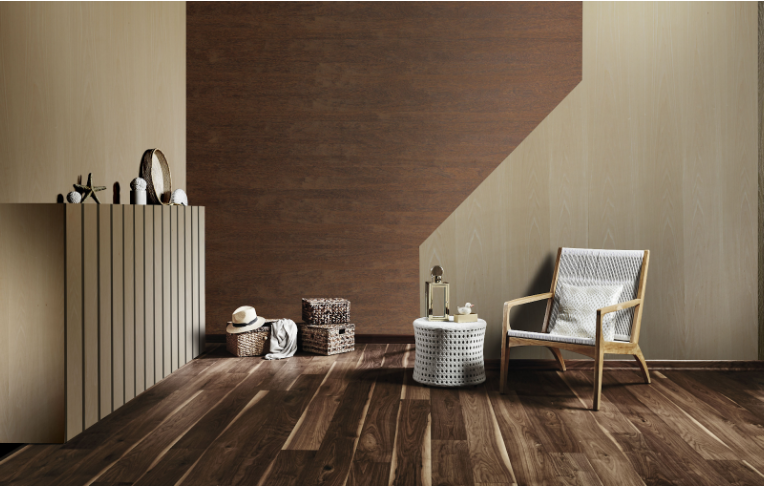
Natural and Warm Wood Tones
Warm wood tones can make contemporary interiors feel more comfortable and residential.
Stronger Grain Expression
Designers are increasingly using visible grain as part of the visual identity of furniture and wall surfaces.
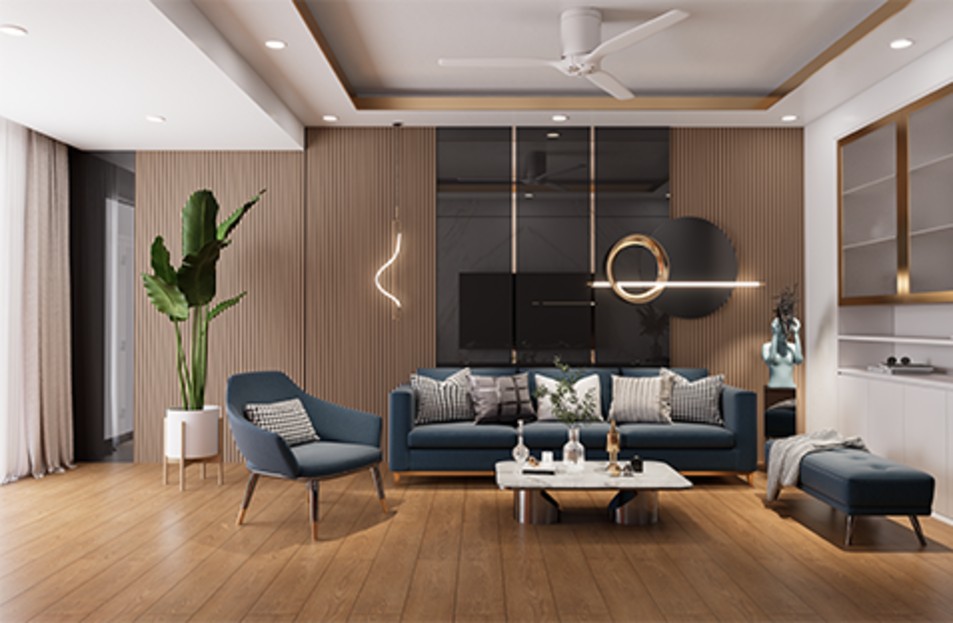
Fluted and Textured Surfaces
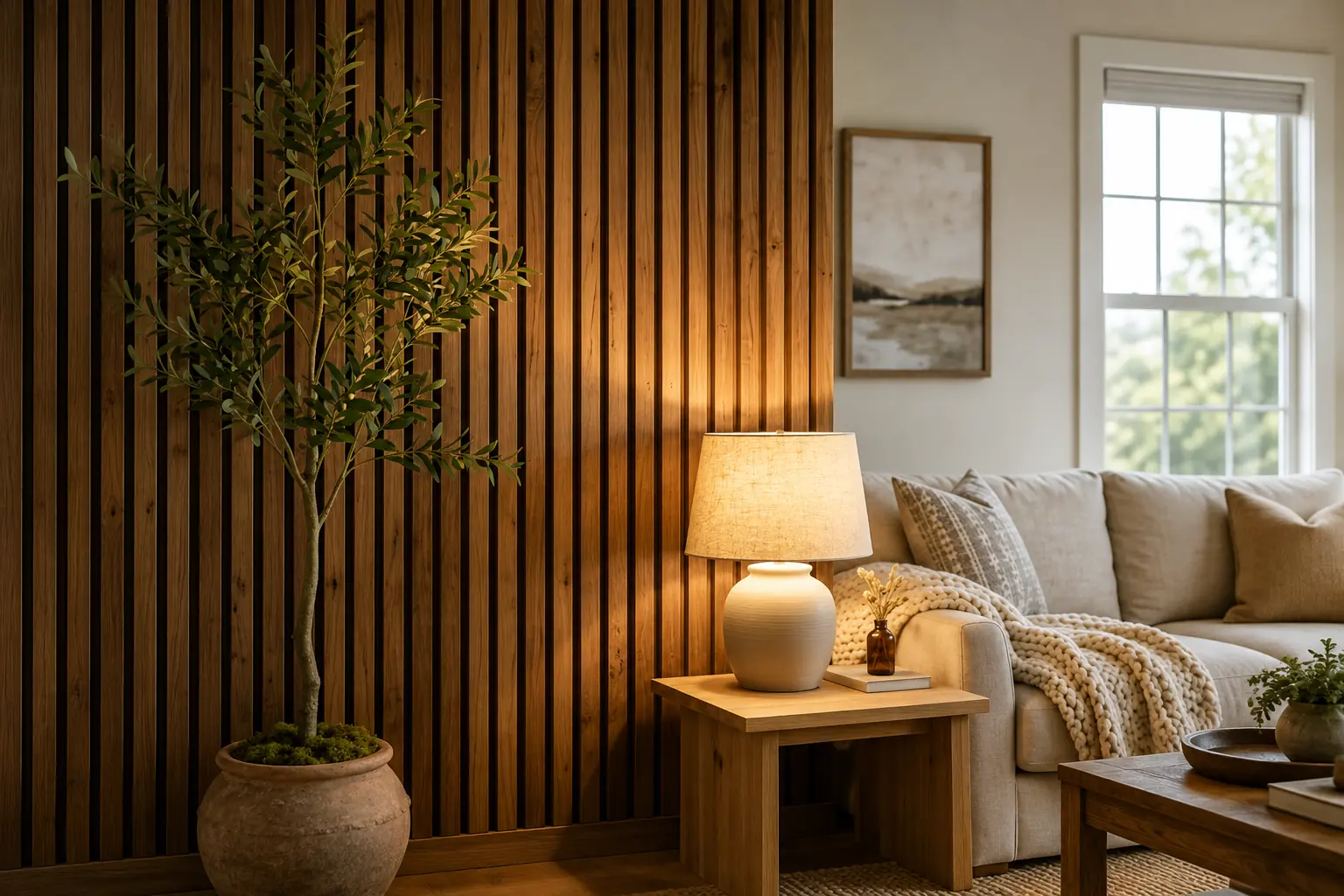
Texture adds depth and can make a simple wall or cabinet more visually interesting.
Chevron and Herringbone Patterns
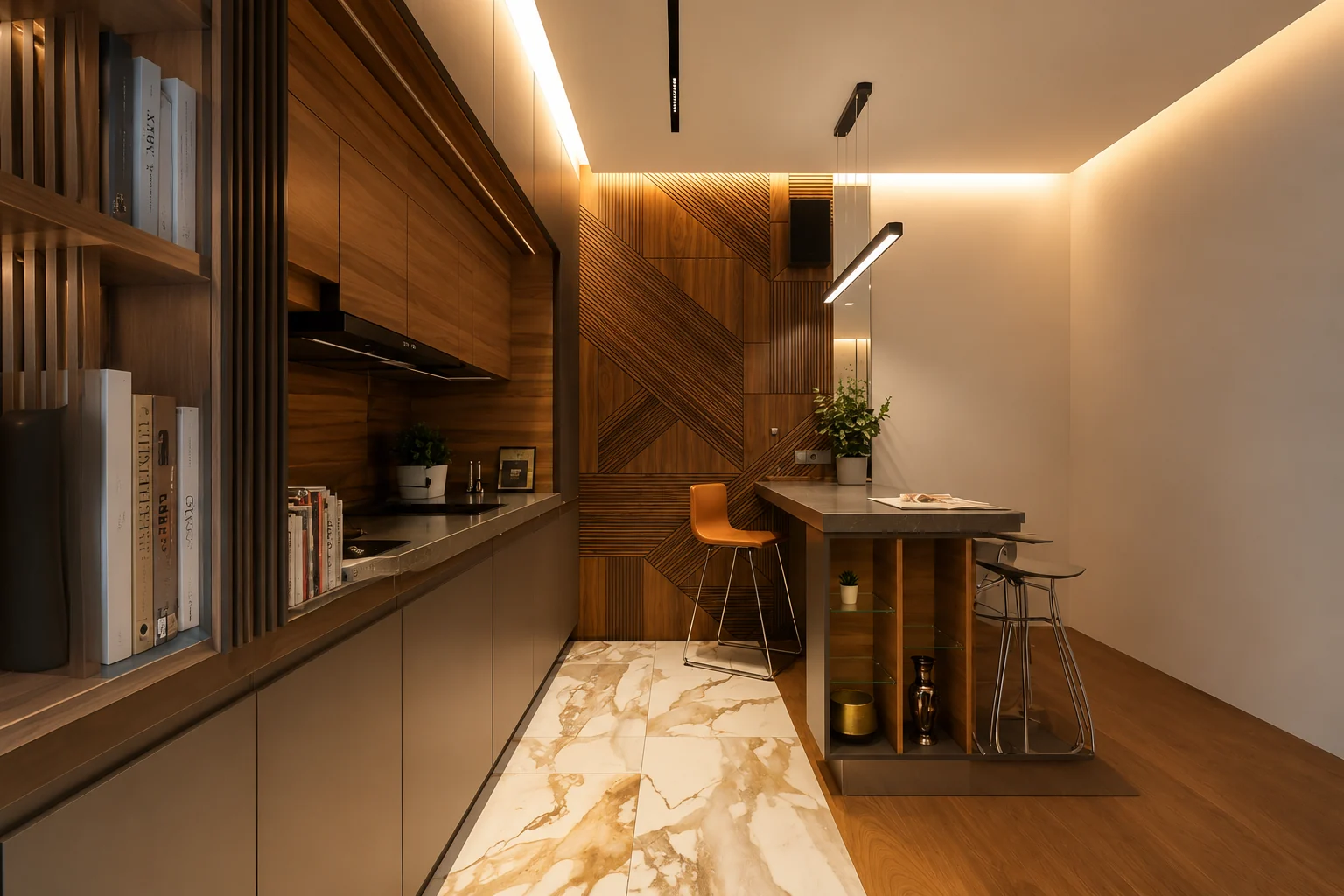
Patterned veneer installations can turn a regular wall or furniture panel into a design feature. OneWood's current veneer collection includes Linear Herringbone, Pristine Chevron, Weave Herringbone, Chevron Auburn and Chevron Slate.
Mixed Materials
Wood veneer can be combined with stone, metal, glass, fabric and solid colours to create layered interiors.
Sustainable Material Thinking
Designers and homeowners are also paying greater attention to material longevity, responsible sourcing and reducing unnecessary replacement.
The direction is moving towards surfaces that are not only visually attractive but also contribute to a coherent, long-term interior scheme.
7. How to Select the Right Veneer for Your Project
Step 1: Define the application
First decide where the veneer will be used. Is it for furniture, a TV wall, wardrobe shutters, office panelling or a hospitality project? The application influences the material and finish you need.
Step 2: Decide the design direction
Choose whether the space should feel warm and natural, minimal, contemporary, classic, luxury, dramatic or textured.
Step 3: Shortlist wood species
Compare light, medium and dark species based on the rest of the interior.
Step 4: Check physical samples
View the veneer under the lighting conditions of the actual project wherever possible.
Step 5: Discuss substrate compatibility
Veneer is a surface material, but the substrate beneath it matters. Discuss whether plywood, MDF or another board is appropriate for the application.
Step 6: Plan the grain direction
Grain direction can significantly influence the appearance of a large surface. Horizontal, vertical, book-matched or patterned arrangements can produce very different results.
Step 7: Finalise the finish
The final finish should complement both the veneer and the way the surface will be used.
Step 8: Confirm quantities
For large projects, account for cutting, matching and installation requirements before ordering.
8. Common Mistakes When Buying Veneer
-
Choosing only from photographs — Digital images do not always show the real colour, texture or grain.
-
Ignoring the substrate — Even an attractive veneer can perform poorly if the underlying board is inappropriate for the application.
-
Not considering the entire room — The veneer should work with flooring, walls, furniture, lighting and other materials.
-
Selecting a dramatic grain for every surface — A strong grain can look excellent as an accent but may become visually overwhelming when used everywhere.
-
Forgetting maintenance — Different finishes have different care requirements.
-
Not planning grain direction — Poor grain planning can make an otherwise premium surface look disconnected.
-
Ordering without checking availability — Large projects may require consistent material across multiple surfaces, so availability and project quantities should be confirmed early.
9. Why Choose OneWood Surfaces as a Veneer Supplier in Delhi?
For architects, interior designers, contractors and homeowners searching for a veneer manufacturer in Delhi, OneWood Surfaces offers a broad wood-surface portfolio from its Kirti Nagar location.
The company's website positions OneWood as a supplier of premium veneers, laminates, plywood and related surface solutions. It specifically lists multiple veneer categories and a collection of natural and patterned veneers.
OneWood's published information highlights:
-
Natural wood veneer
-
Solid wood veneer
-
Dyed veneer
-
Recon veneer
-
Hybrid veneer
-
Embossed veneer
-
Ombre veneer
-
Patterned veneer collections
-
Plywood
-
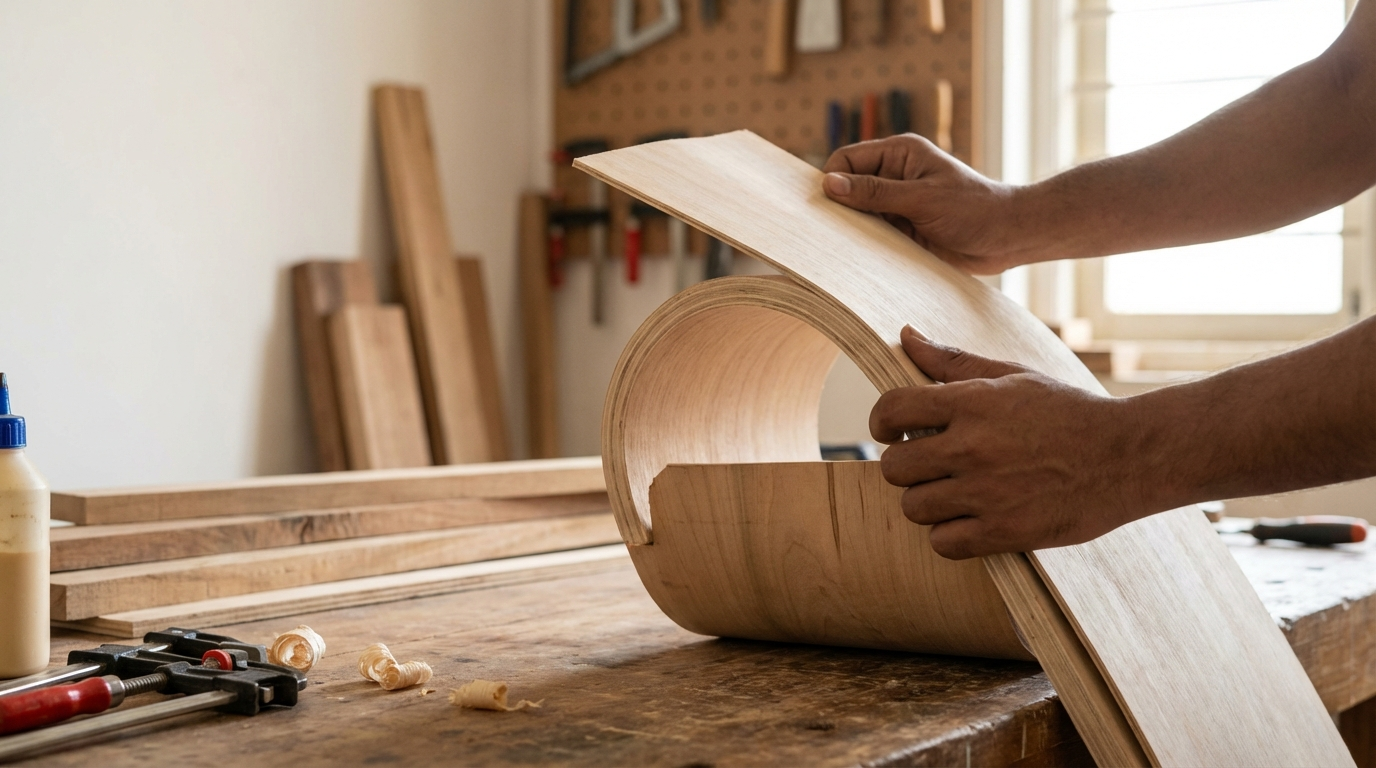
Flexible plywood
-
Laminates
-
Flush doors
-
Blockboard
This broader product range can be useful when a project requires several coordinated surface materials rather than veneer alone.
OneWood also states that it works with interior designers, architects and contractors across Delhi NCR, including bulk supply for commercial projects.
10. Veneer Manufacturer in Kirti Nagar, Delhi
Kirti Nagar is one of Delhi's established furniture and timber markets, making location particularly relevant for designers and contractors who need to compare materials physically.
OneWood Surfaces lists its address as: 1/68, Timber Market, Kirti Nagar, Block I, Ware Housing Scheme, Kirti Nagar, Delhi.
The company states that its showroom allows customers to view its wood surfaces, veneers and laminates in person. It also states that it delivers across Delhi NCR, including Gurgaon, Noida, Faridabad and Ghaziabad.
For a project where colour, grain and texture are important, visiting a physical experience centre can be useful. You can compare multiple samples under real lighting instead of relying entirely on online images.
11. Frequently Asked Questions
A veneer manufacturer or supplier provides wood veneer sheets and related surface products for applications such as furniture, cabinetry, wall panels and interior projects. The term can refer to companies involved in manufacturing, processing, sourcing or supplying veneer.
OneWood Surfaces has its showroom at 1/68, Timber Market, Kirti Nagar, Delhi and offers natural wood veneer along with several other veneer categories.
OneWood lists natural, solid wood, dyed, recon, hybrid, embossed and ombre veneer categories. Its collection also includes several exotic and patterned veneer options.
Neither is universally better. Veneer offers the character and grain of real wood, while laminate provides a broad range of designs and can be practical for high-use applications. The right choice depends on the project's appearance, usage, maintenance requirements and budget.
Yes. Veneer can be used for feature walls, TV panels, office wall cladding and other architectural surfaces. OneWood specifically lists walls and panels among veneer applications.
Yes. Veneer is widely used on furniture and cabinetry. It can provide the appearance and texture of natural wood while being applied over an engineered substrate.
Yes. OneWood states that it supplies natural wood veneer in bulk for commercial projects such as offices, hotels, restaurants and residential developments.
Yes. The company states that it delivers plywood, veneer, laminates and flush doors across Delhi NCR, including Gurgaon, Noida, Faridabad and Ghaziabad.
OneWood states that material samples are available for veneer, laminates and plywood grades, including for larger project requirements.
OneWood offers a broad selection of veneer types and wood-surface products from its Kirti Nagar location. Its product range covers veneer, plywood, laminates, flexible plywood, flush doors and blockboard, allowing designers and contractors to source multiple surface materials for a project.
12. Conclusion
Choosing a veneer manufacturer in Delhi is not simply about finding the lowest price or the largest catalogue.
The more important questions are about wood quality, consistency, species, finish, application, substrate compatibility and project support.
For a residential interior, veneer can add warmth and character to furniture, wardrobes and wall panels. For commercial and hospitality projects, it can help create a consistent design language across larger spaces.
In 2026, natural textures, expressive grain, patterned layouts, textured surfaces and mixed-material interiors are creating new possibilities for wood surfaces.
OneWood Surfaces offers a broad collection of veneer types and related surface materials from its Kirti Nagar location, with supply across Delhi NCR.
Ultimately, the right veneer is the one that fits the design, application, performance requirements and long-term character of the space.
Latest Blogs